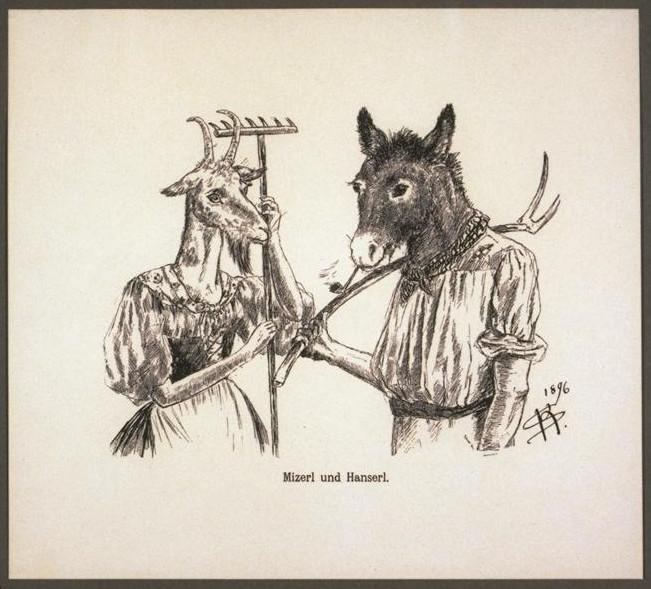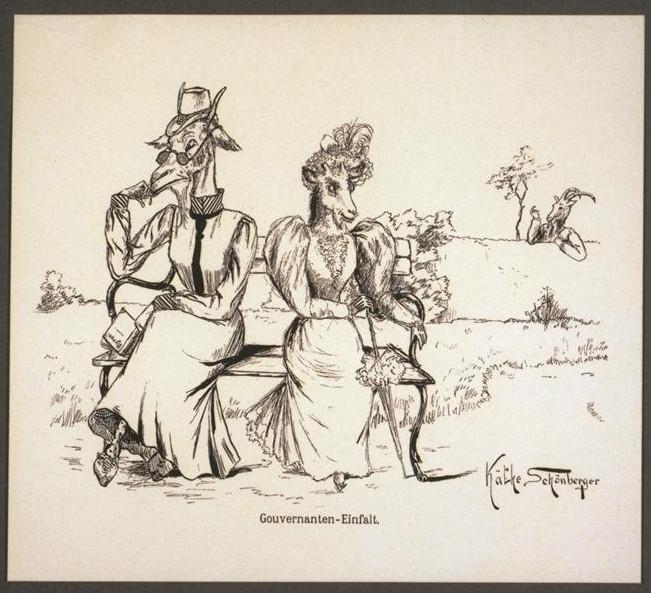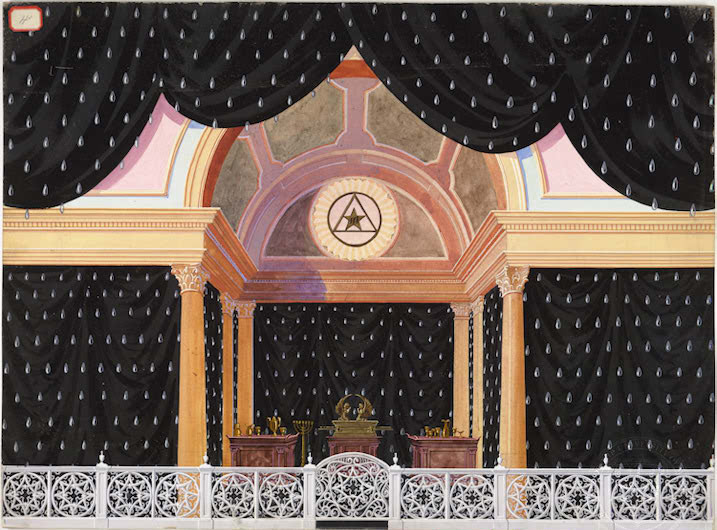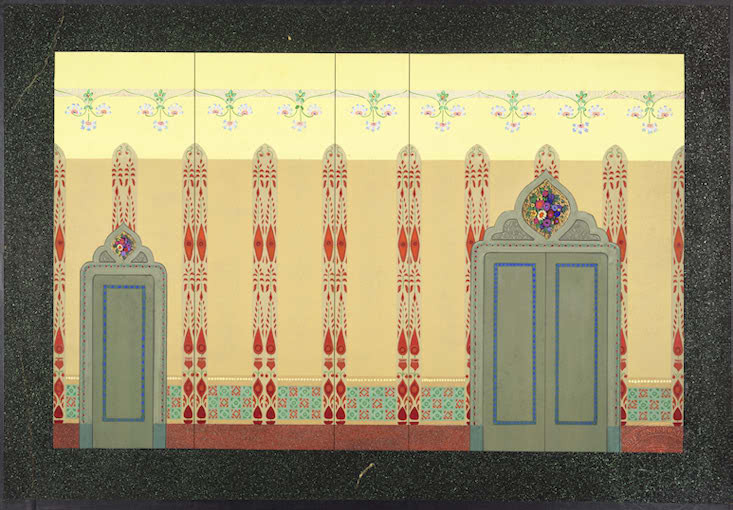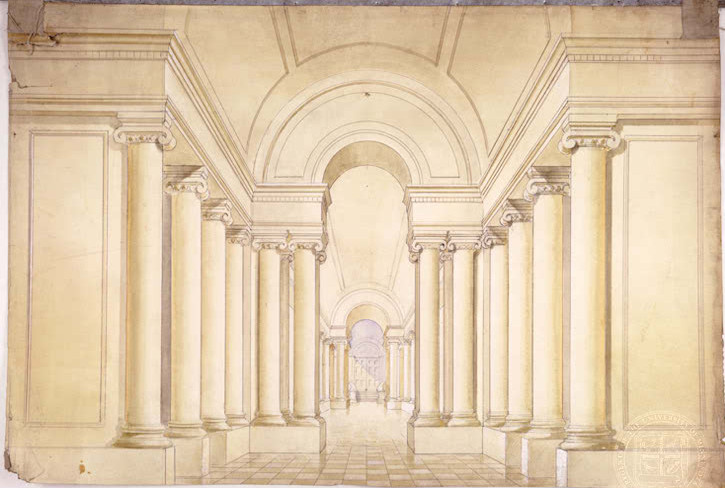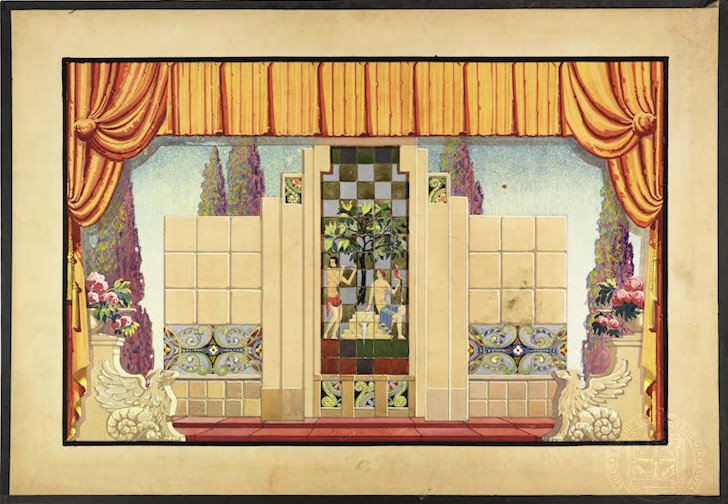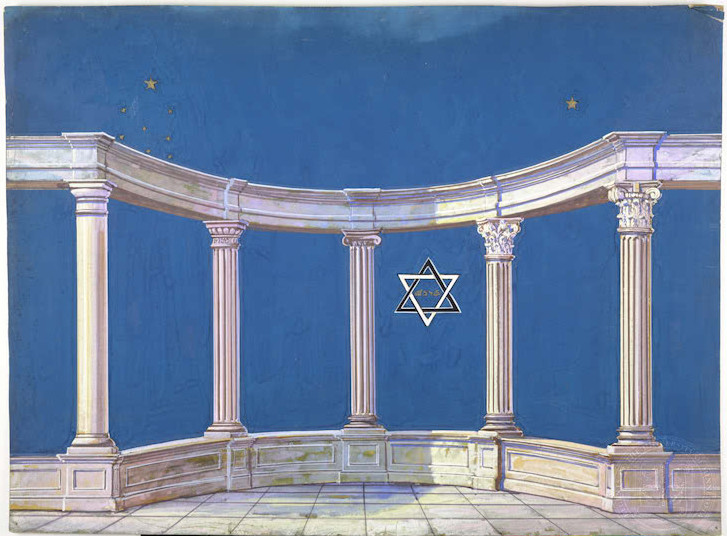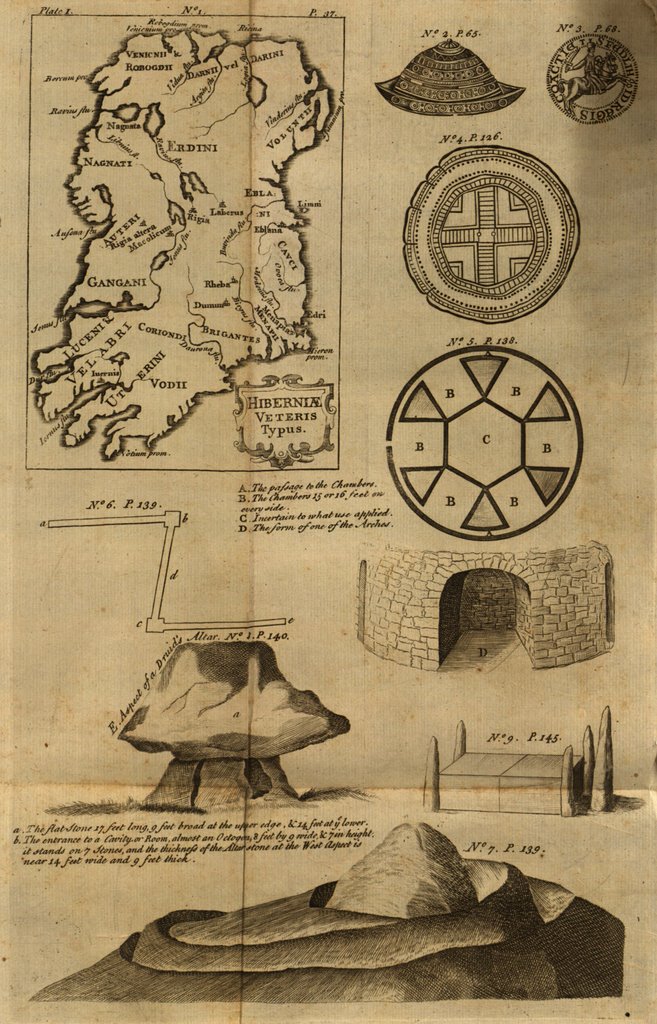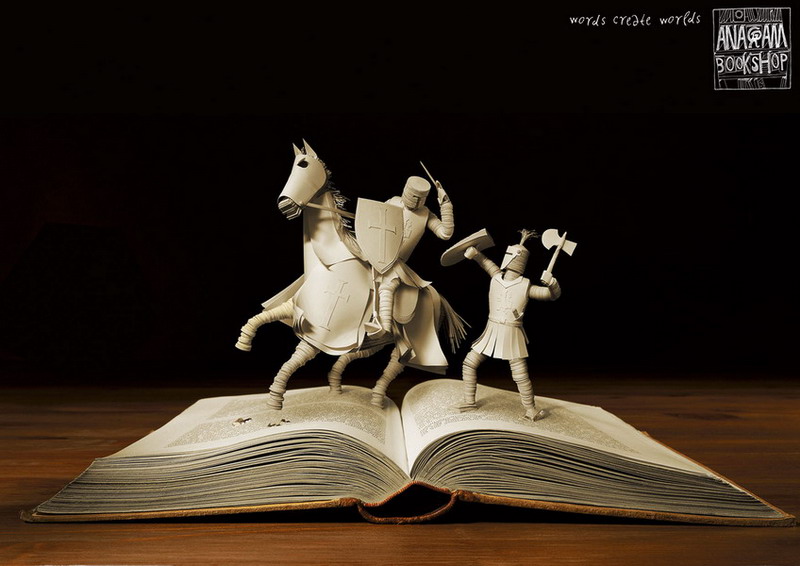
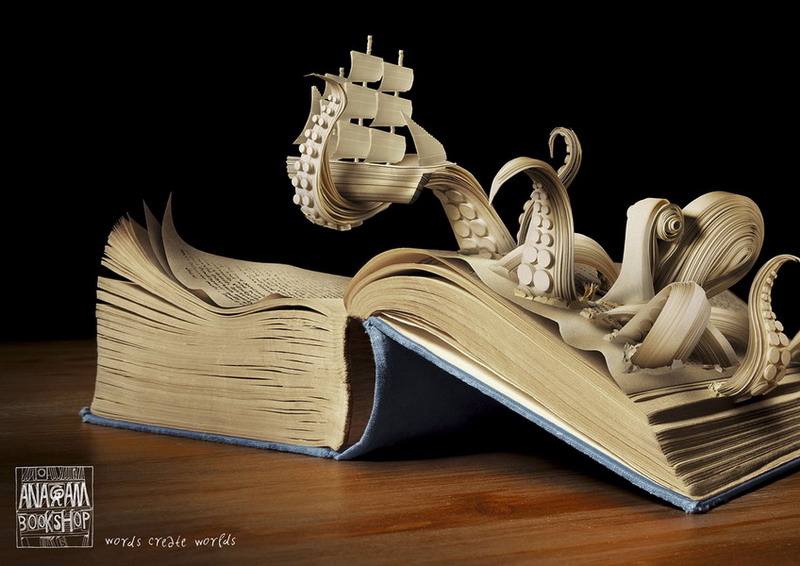
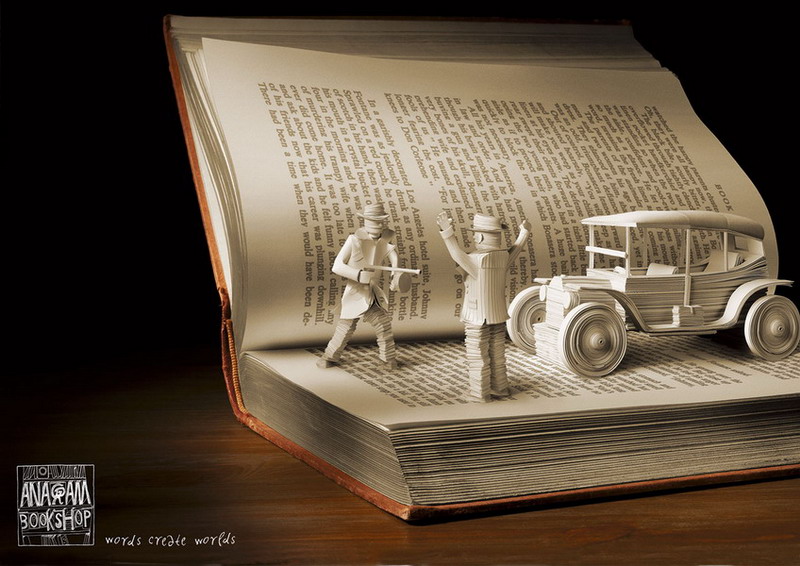
Anagram Bookshop (Prague) promotional images
from Kaspen (alas, no more bookish fare, but they
have a nifty flash site and quite a portfolio of work).
from Kaspen (alas, no more bookish fare, but they
have a nifty flash site and quite a portfolio of work).

'Olmec Head', a drawing by Walter Feldman, 1963.
Feldman has been teaching at Brown University for 46 years.
Feldman has been teaching at Brown University for 46 years.
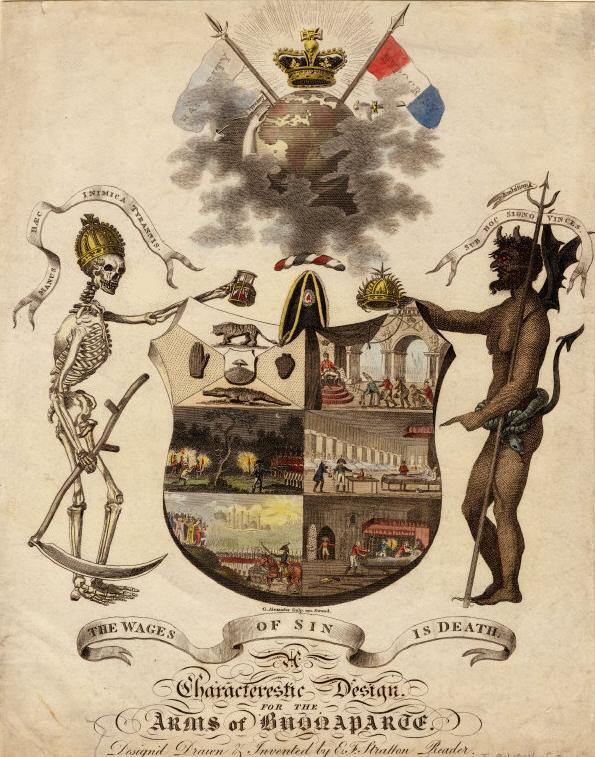
'The Wages of Sin is Death - A Characteristic
Design for the Arms of Buonaparte 1804'
Design for the Arms of Buonaparte 1804'
These 2 images come from the Brown University Instructional Image Collection
which requires a Luna Insight browser of ~30Mb download to view (the majority of their
images are Napoleonic satires which are available from a regular browser site anyway)
which requires a Luna Insight browser of ~30Mb download to view (the majority of their
images are Napoleonic satires which are available from a regular browser site anyway)
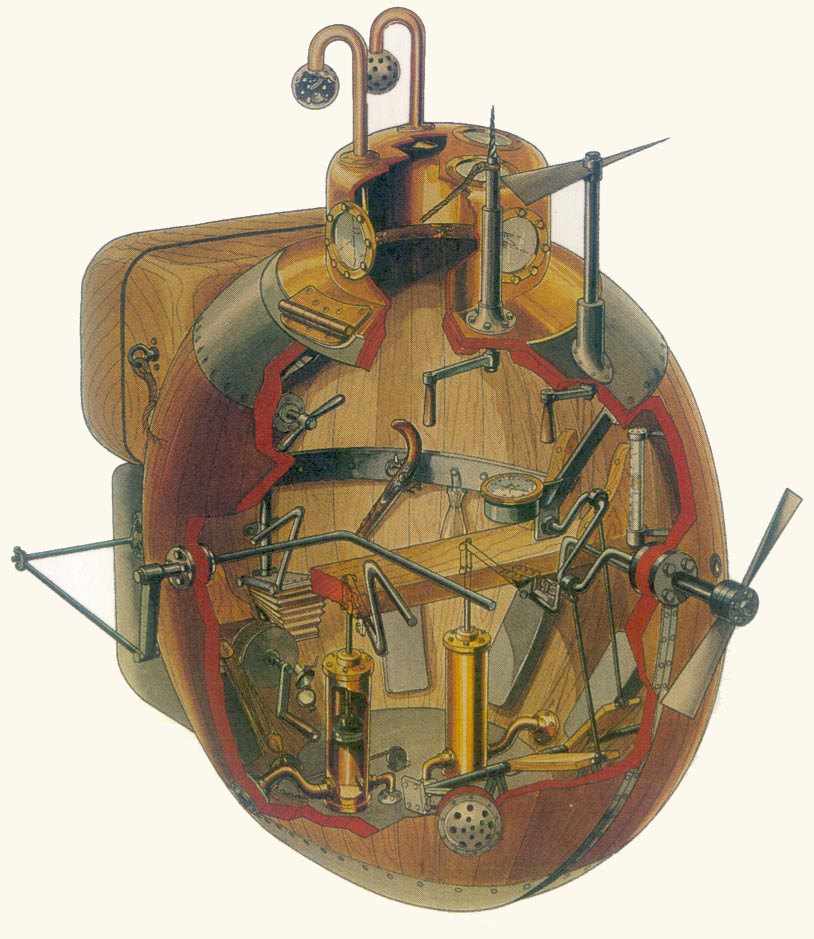
Plan of the first submarine used in combat (1776, unsuccessfully). The plan
was by David Bushnell but this is an updated cutaway produced for a 1996
book by C Chant: 'Submarines of the 20th century'. The image comes from
an interesting page of historical schematics of submarines at Heiszwolf. [via]
was by David Bushnell but this is an updated cutaway produced for a 1996
book by C Chant: 'Submarines of the 20th century'. The image comes from
an interesting page of historical schematics of submarines at Heiszwolf. [via]

Qalam - 'The Pen in Ink' Dhikr - 'Remembrance'
Visual Dhikr, out of the UK, was founded by Ruh al-Alam and Abu Ta-Ha
and they produce contemporary Islamic art and calligraphic design work.
"Visual Dhikr artwork seeks to accomplish the simple aim of 'visual remembrance', remembrance of the Divine through beauty, light and the written word." Highly recommended - go for the ambient tabla sounds, stay for the eclectic imagery. [via the Islamic Artists Society]
and they produce contemporary Islamic art and calligraphic design work.
"Visual Dhikr artwork seeks to accomplish the simple aim of 'visual remembrance', remembrance of the Divine through beauty, light and the written word." Highly recommended - go for the ambient tabla sounds, stay for the eclectic imagery. [via the Islamic Artists Society]
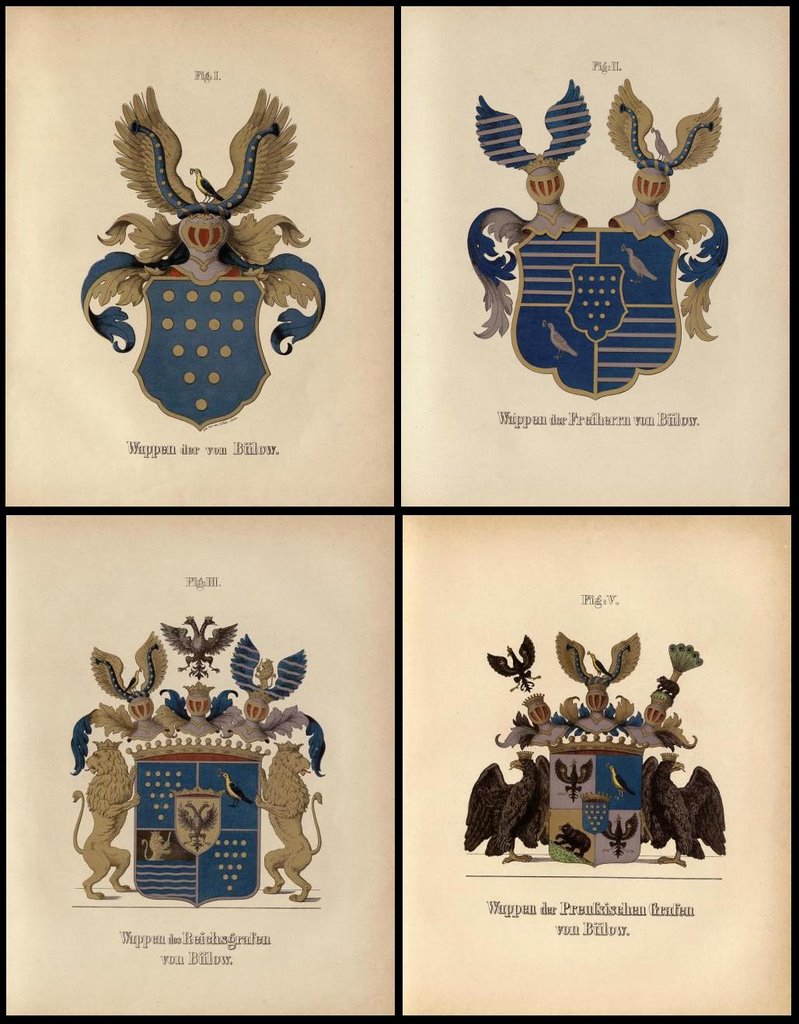

Family crests from the monograph, 'Familienbuch der von Bülow', 1858
by Jakob Friedrich Joachim and Paul Bülow at the University of Göttingen.
by Jakob Friedrich Joachim and Paul Bülow at the University of Göttingen.
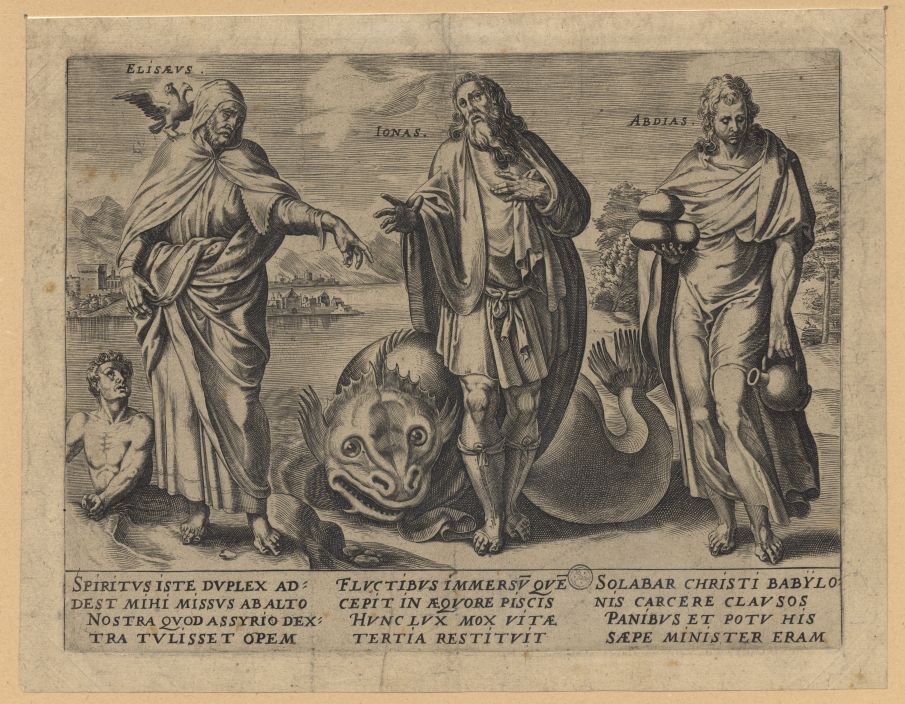
'Elisaevs, Ionas, Abdias' c. 1550.
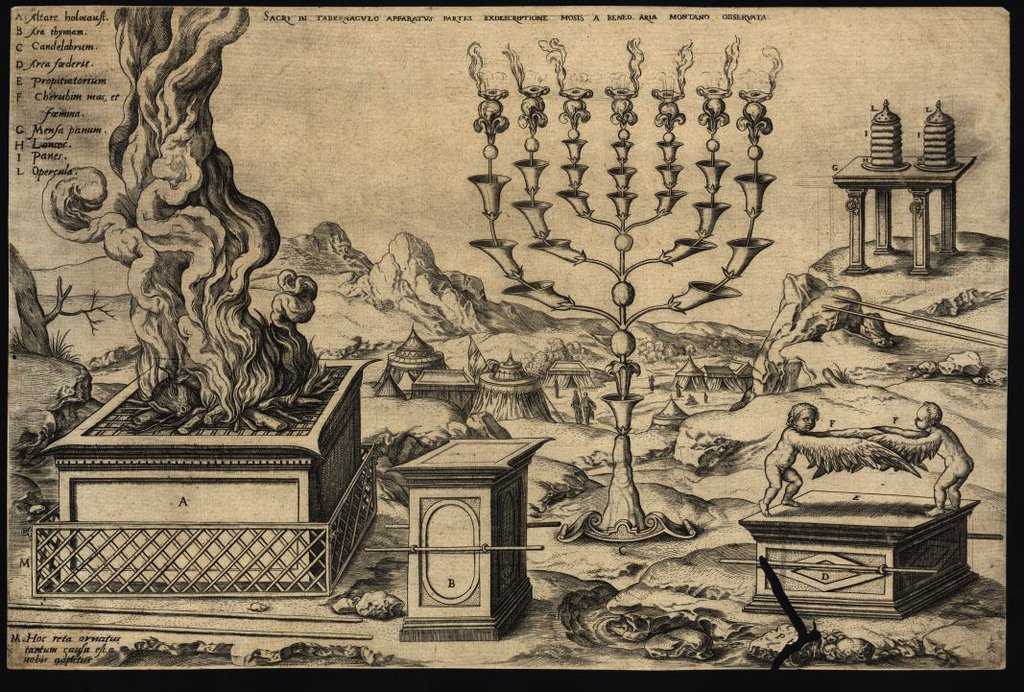
'Sacri in tabernaculo apparatus partes ex descriptione Mosis' by Pieter Huys,
1571 - IN: 'Dictionnaire de l'Amateur d'Estampes' by Charles Le Blanc, 1888.
Just 2 of the engravings from a wonderful collection of prints
at the Portuguese National Library [thanks Pita!].
1571 - IN: 'Dictionnaire de l'Amateur d'Estampes' by Charles Le Blanc, 1888.
Just 2 of the engravings from a wonderful collection of prints
at the Portuguese National Library [thanks Pita!].
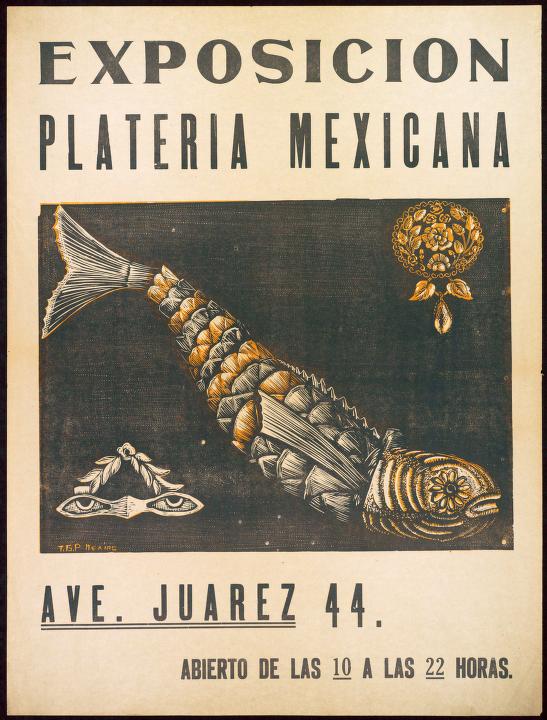
'Exposicion Plateria Mexicana' by Adolfo Mexiac, 1952.
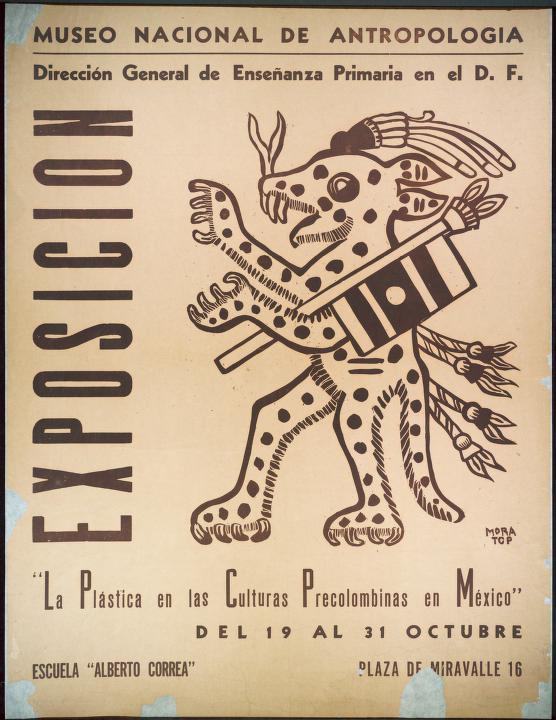
'Exposición. Museo Nacional de Antropología' by Francisco Mora 1922

'Sein Denkmal Blicke in die Vergangenheit und Zukunft
beim Anfang des Jahres' 1814 -- referring to Napoleon --
('Monument to the views to the past and future from
the beginning of the year' .. or thereabouts).
beim Anfang des Jahres' 1814 -- referring to Napoleon --
('Monument to the views to the past and future from
the beginning of the year' .. or thereabouts).
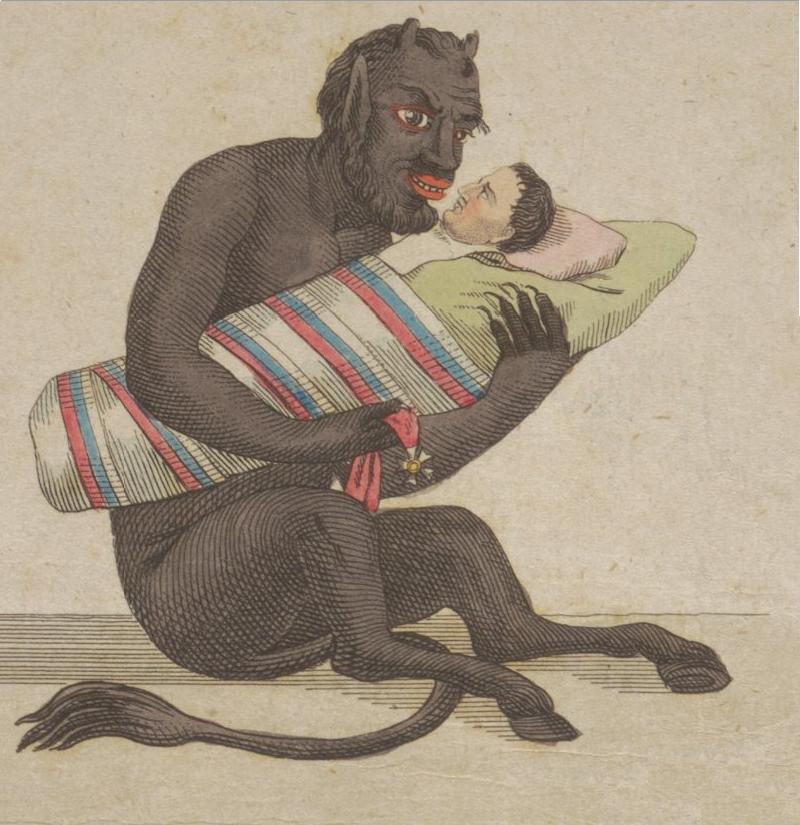
'Das ist mein lieber Sohn' - Napoleon as child of the devil: hand-colored etching.
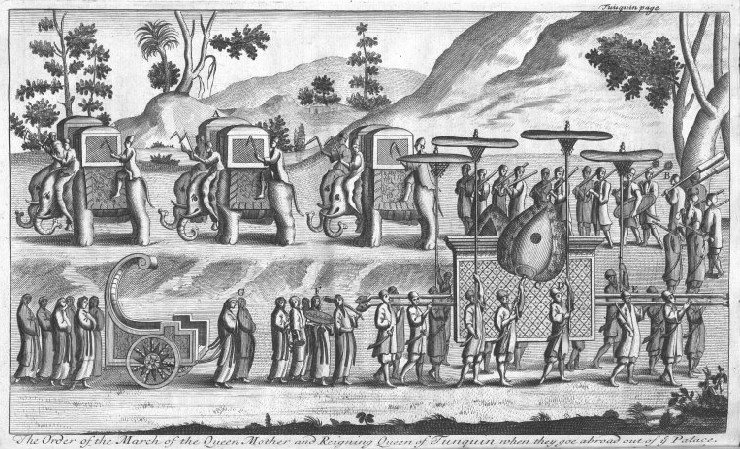
'The Order of the March of the Queen Mother and Reigning
Queen of Tunquin when they goe abroad out of Palace'
IN: 'A collection of several relations & treatises singular and curious,
of John Baptista Tevernier, Baron of Aubonne not printed among
his first six voyages' by Jean-Baptiste Tavernier, 1680.
['Tunquin' is otherwise known as 'Tonkin', in the far north of Vietnam, near the
Chinese border - one of the most beautiful places on earth I know well! .]
Queen of Tunquin when they goe abroad out of Palace'
IN: 'A collection of several relations & treatises singular and curious,
of John Baptista Tevernier, Baron of Aubonne not printed among
his first six voyages' by Jean-Baptiste Tavernier, 1680.
['Tunquin' is otherwise known as 'Tonkin', in the far north of Vietnam, near the
Chinese border - one of the most beautiful places on earth I know well! .]
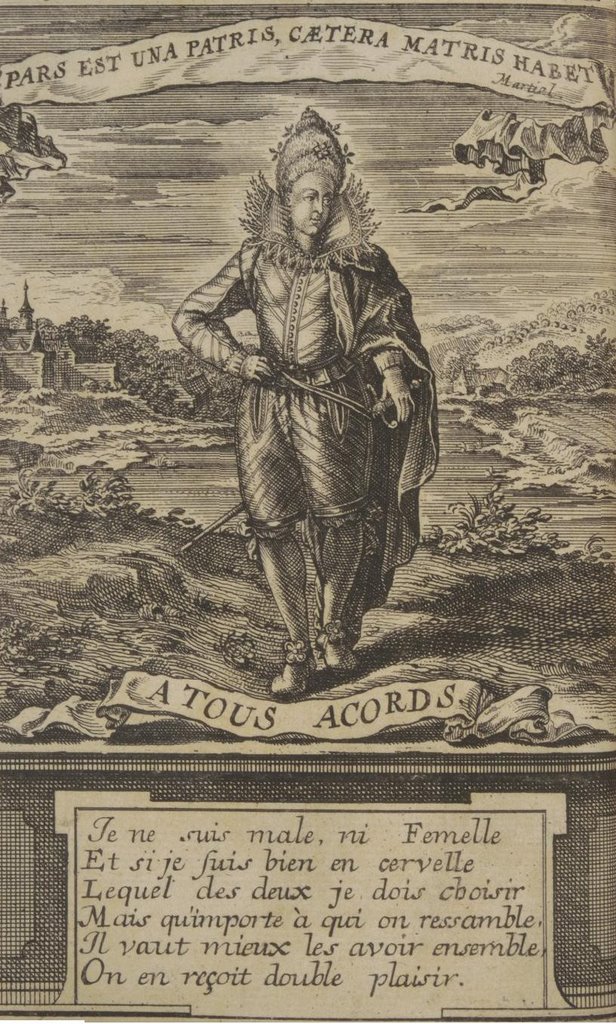
'Artus, Thomas, sieur d'Embry. Description de l'Isle des Hermaphrodites,
Nouvellement Découverte, Contenant les Moeurs, les Coutumes & les
Ordonances des Habitans de cette Isle, comme aussi le Discours de
Jacophile à Limne, avec Quelques autres Pièces Curieuses. Pour
Servir de Supplement au Journal de Henri III.' 1724.
There were a few more much less sophisticated (or
sympathetic) hermaphrodite images at the same site.
Nouvellement Découverte, Contenant les Moeurs, les Coutumes & les
Ordonances des Habitans de cette Isle, comme aussi le Discours de
Jacophile à Limne, avec Quelques autres Pièces Curieuses. Pour
Servir de Supplement au Journal de Henri III.' 1724.
There were a few more much less sophisticated (or
sympathetic) hermaphrodite images at the same site.
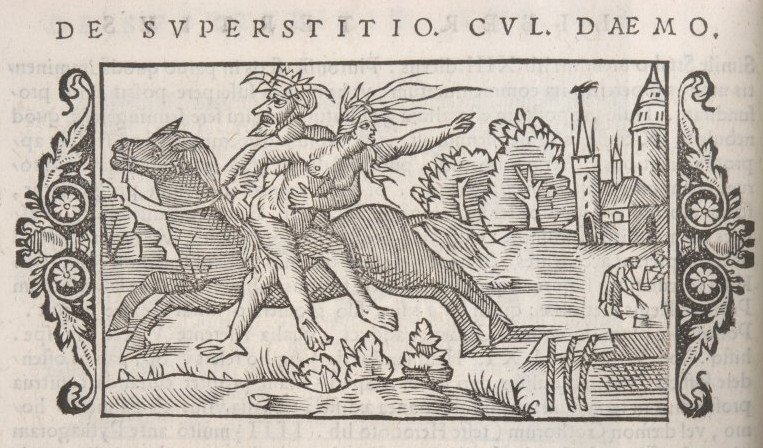
Woodcut of witch being abducted
IN: 'Historia de gentibus septentrionalibus', by Olaus Magnus, 1555.
IN: 'Historia de gentibus septentrionalibus', by Olaus Magnus, 1555.
The above 5 images also require the Luna Insight browser -
(from memory there are about 3 or 4 repository sites who use this
software system, which is not too bad once it's set up. But it does require
taking screencaps and splicing to get decent sized images) - in this case from
the Rare Books and Manuscript Image Collections at Cornell University.
Snagging 3 Napoleon satires was entirely accidental although they constitute
a huge body of illustrative work. Perhaps that is evidence supporting the notion
that Napoleon served as 'the pure archetype of evil in history' before Hitler?
(from memory there are about 3 or 4 repository sites who use this
software system, which is not too bad once it's set up. But it does require
taking screencaps and splicing to get decent sized images) - in this case from
the Rare Books and Manuscript Image Collections at Cornell University.
Snagging 3 Napoleon satires was entirely accidental although they constitute
a huge body of illustrative work. Perhaps that is evidence supporting the notion
that Napoleon served as 'the pure archetype of evil in history' before Hitler?

The engraving on the left comes from a very famous book originally
published in 1655 called 'Armamentarium Chirurgicum' by Johannes
Scultetus. The renown stems predominantly from its detailing all medical
instruments of the time and also because of some of the surgical
(especially neurosurgical) procedures it depicts. The image comes from
ebay and I thought it worth collecting because I could only find one other
copy online - a slightly different and not particularly good quality version at
Clendening Library. And while searching around I stumbled across a very interesting exhibition site at the University of Nagasaki.
The engravings from 'Armamentarium Chiurgicum' were hand copied in 1706 by a group, whose name (or work) translates, perhaps worryingly from a patient's point of view, as 'The Crimson Barbarian Surgical Sect'. The original engravings and hand-copied versions are laid out next to each other at the site. Normally I would have devoted a complete entry to this sort of find, but those watermarks are thoroughly intrusive and a real pain to remove. I may have few digitolegal scruples and perhaps variable taste, but maintaining some semblance of an aesthetic standard around here is pretty well fundamental.
published in 1655 called 'Armamentarium Chirurgicum' by Johannes
Scultetus. The renown stems predominantly from its detailing all medical
instruments of the time and also because of some of the surgical
(especially neurosurgical) procedures it depicts. The image comes from
ebay and I thought it worth collecting because I could only find one other
copy online - a slightly different and not particularly good quality version at
Clendening Library. And while searching around I stumbled across a very interesting exhibition site at the University of Nagasaki.
The engravings from 'Armamentarium Chiurgicum' were hand copied in 1706 by a group, whose name (or work) translates, perhaps worryingly from a patient's point of view, as 'The Crimson Barbarian Surgical Sect'. The original engravings and hand-copied versions are laid out next to each other at the site. Normally I would have devoted a complete entry to this sort of find, but those watermarks are thoroughly intrusive and a real pain to remove. I may have few digitolegal scruples and perhaps variable taste, but maintaining some semblance of an aesthetic standard around here is pretty well fundamental.
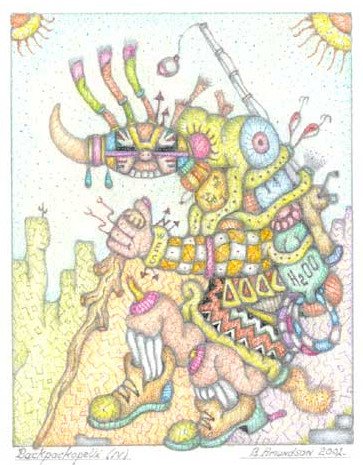
This was ready yesterday - ISP problem kept me offline (speaking of intrusiveness and a real pain). At least the desktop is now a bit more organised. It is very strange sitting at a computer without internet access. I nearly played solitaire.